Mold at Home: EPA Says Dry Wet Areas Within 24 to 48 Hours and Fix the Water Problem
The agency's guide stresses moisture control, humidity levels and when a cleanup is too big to handle alone.
On this page
Key takeaways
- EPA says the key to mold control is moisture control.
- EPA says to dry water-damaged areas and items within 24 to 48 hours to prevent mold growth.
- EPA suggests keeping indoor humidity below 60 percent, ideally between 30 and 50 percent.
By the numbers
24 to 48 hours
Time window to dry water-damaged areas and items to prevent mold growth
Page last updated February 18, 2026
Below 60 percent
Recommended indoor relative humidity ceiling
Page last updated February 18, 2026
30 to 50 percent
Ideal indoor relative humidity range
Page last updated February 18, 2026
Less than about 10 square feet (roughly 3 ft by 3 ft)
Moldy area size generally manageable by the homeowner
Page last updated February 18, 2026
N-95
Respirator type EPA mentions for limiting exposure while cleaning
Page last updated February 18, 2026
Moisture is the lever
EPA's guide A Brief Guide to Mold, Moisture and Your Home states plainly that the key to mold control is moisture control. Molds reproduce through tiny spores that float in indoor and outdoor air, and the agency says they may begin growing indoors when spores land on wet surfaces. None of the many types will grow without water or moisture, it says.
EPA adds that it is impossible to get rid of all mold and spores indoors; some will be in the air and in house dust. If mold is cleaned up but the water problem is not fixed, the page says, the mold will most likely return. The guide was last updated on February 18, 2026.
Why it matters for health
According to the guide, molds produce allergens, irritants and, in some cases, potentially toxic substances. Inhaling or touching mold or spores may cause allergic reactions in sensitive people, with symptoms such as sneezing, runny nose, red eyes and skin rash. Allergic reactions can be immediate or delayed, and mold can trigger asthma attacks in people with asthma who are allergic to it.
Mold exposure can also irritate the eyes, skin, nose, throat and lungs of both allergic and non-allergic people, EPA says. It notes that research is ongoing and that the guide does not describe every possible effect, so people with health concerns should consult a health professional, including before starting cleanup.
Drying and humidity
The guide says that when leaks or spills occur, people should act quickly: if wet or damp materials are dried within 24 to 48 hours, mold in most cases will not grow.
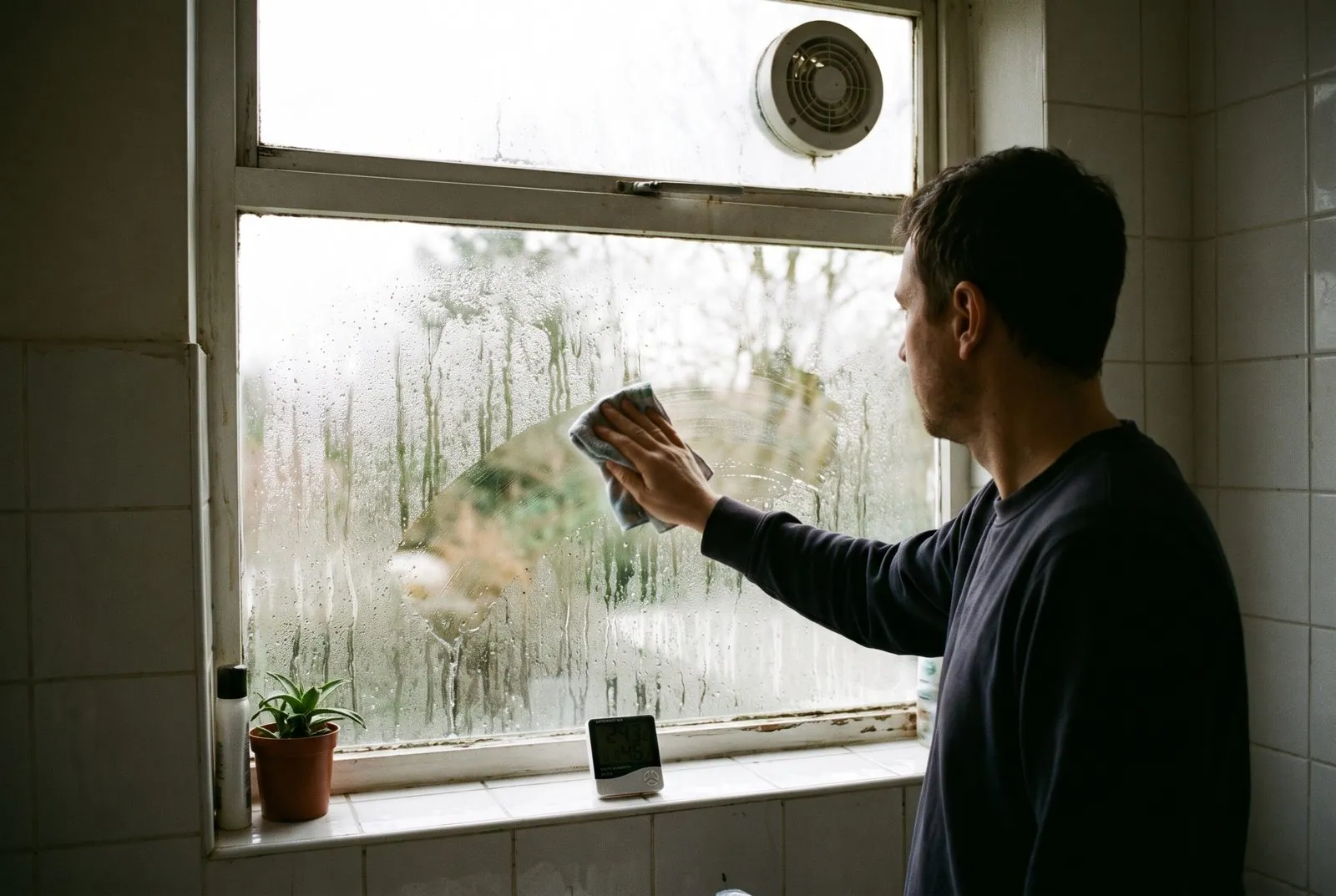
For humidity, EPA says to keep it below 60 percent relative humidity if possible, ideally between 30 and 50 percent, which can be measured with an inexpensive humidity meter. Its list of steps includes running a bathroom fan or opening a window when showering, using exhaust fans when cooking or washing dishes, venting clothes dryers outdoors, using air conditioners or dehumidifiers when needed, and insulating cold surfaces such as water pipes to prevent condensation. It also suggests cleaning gutters, keeping air conditioner drip pans clean and making sure the ground slopes away from the foundation.
Cleaning up
EPA says to fix plumbing leaks and other water problems as soon as possible, scrub mold off hard surfaces with detergent and water, and dry completely. Porous materials such as ceiling tiles and carpet may need to be thrown away, because mold can be difficult or impossible to remove from them. It advises against painting or caulking over mold.
On size, the guide says that if the moldy area is less than about 10 square feet, roughly a 3-foot-by-3-foot patch, in most cases people can handle the job themselves. For larger areas or a lot of water damage, it points to EPA guidance for schools and commercial buildings, and says contractors should have mold experience. For sewage or other contaminated water, it advises hiring an experienced professional. It also says not to run an HVAC system known or suspected to be contaminated with mold.
A note on air cleaners
EPA's separate guide on air cleaners says portable air cleaners and furnace or HVAC filters do not address the cause of mold. They may remove some particles generated by mold, it says, but solving a mold problem requires removing the moisture source and cleaning up the mold.
Protecting yourself while cleaning
EPA says to take precautions that limit exposure to mold and spores. For airborne mold, it says people may want an N-95 respirator, which must fit properly to be effective. It recommends long gloves that extend to the middle of the forearm, and goggles without ventilation holes to keep mold and spores out of the eyes.
The guide also explains how to tell when a cleanup is finished. The water or moisture problem must be completely fixed, mold removal should be complete, and visible mold and moldy odors should not be present, although it notes mold may leave stains or cosmetic damage. The site should be revisited shortly afterward to confirm there are no signs of water damage or mold growth, and people should be able to use the area without health complaints. EPA calls this ultimately a judgment call.
What it means for readers
- Treat leaks and spills quickly; EPA says drying within 24 to 48 hours usually prevents mold growth.
- Keep humidity below 60 percent, ideally 30 to 50 percent, and consider a humidity meter.
- Fix the water source as well as the mold, or the mold will likely come back.
- For areas larger than about 10 square feet, or contaminated water, EPA points to professional help.
- An air cleaner will not solve a mold problem, according to EPA.
Data and sources
Each figure in this report comes from the sources below. Every entry lists the organization, the date or period of the data, and the link. Links open in a new tab.
- A Brief Guide to Mold, Moisture and Your Home | US EPAU.S. Environmental Protection Agency · Last updated on February 18, 2026https://www.epa.gov/mold/brief-guide-mold-moisture-and-your-home
- Guide to Air Cleaners in the Home | US EPAU.S. Environmental Protection Agency · Last updated on October 1, 2026https://www.epa.gov/indoor-air-quality-iaq/guide-air-cleaners-home
Related coverage
All reports
Air & Breathing
Choosing a Portable Air Cleaner: EPA Says Size It to the Room and Avoid Ozone-Producing Models
The agency's consumer guide explains CADR ratings, filters for gases, placement and what these devices cannot do.

Air & Breathing
EPA's Air Quality Index: What the Numbers From 0 to 300 and Up Mean for Your Day
AirNow says an AQI value of 50 or below is good and a value over 300 is hazardous, with six color-coded categories in between.
Air & Breathing
Asthma Triggers Are Often Indoors, EPA Says, Where Americans Spend Up to 90 Percent of Their Time
CDC, NHLBI and EPA list dust mites, mold, pests, smoke, pollution and weather among the things that can set off asthma symptoms.