Air & Breathing Air quality
How the Air Quality Index works, and what AirNow advises when smoke arrives
AirNow rates air on a six-category color scale and publishes specific steps on masks, filters and air cleaners.
On this page
AirNow, the US Environmental Protection Agency's air quality site, rates air on a six-category, color-coded Air Quality Index that runs from Good, at 0 to 50, to Hazardous, at 301 and higher. An AQI value of 100 generally corresponds to the short-term national ambient air quality standard. When wildfire smoke moves in, the same site publishes steps on masks, filters and indoor air cleaning.
Key takeaways
- The AQI has six color-coded categories, from Good (0 to 50) to Hazardous (301 and higher).
- AirNow says cloth masks will not protect you from wildfire smoke, while N95 respirators can.
- For indoor air, AirNow points to a portable air cleaner running continuously with doors and windows closed.
- It also recommends high-efficiency filters rated MERV-13 or higher, replaced frequently.
By the numbers
0 to 50
Good
Current; no date on page
51 to 100
Moderate
Current; no date on page
101 to 150
Unhealthy for Sensitive Groups
Current; no date on page
151 to 200
Unhealthy
Current; no date on page
201 to 300
Very Unhealthy
Current; no date on page
301 and higher
Hazardous
Current; no date on page
MERV-13 or higher
Filter rating AirNow recommends for indoor smoke protection
Current guidance; no date on page
How the scale works
The Air Quality Index turns pollution measurements into a single number so that people can read conditions at a glance. AirNow's AQI basics page describes six categories, each with its own color. Higher numbers indicate more polluted air.
The categories and their ranges are listed in the By the numbers box above. An AQI value of 100, the top of the Moderate range, is the point that generally corresponds to the short-term national ambient air quality standard.
Masks and outdoor activity
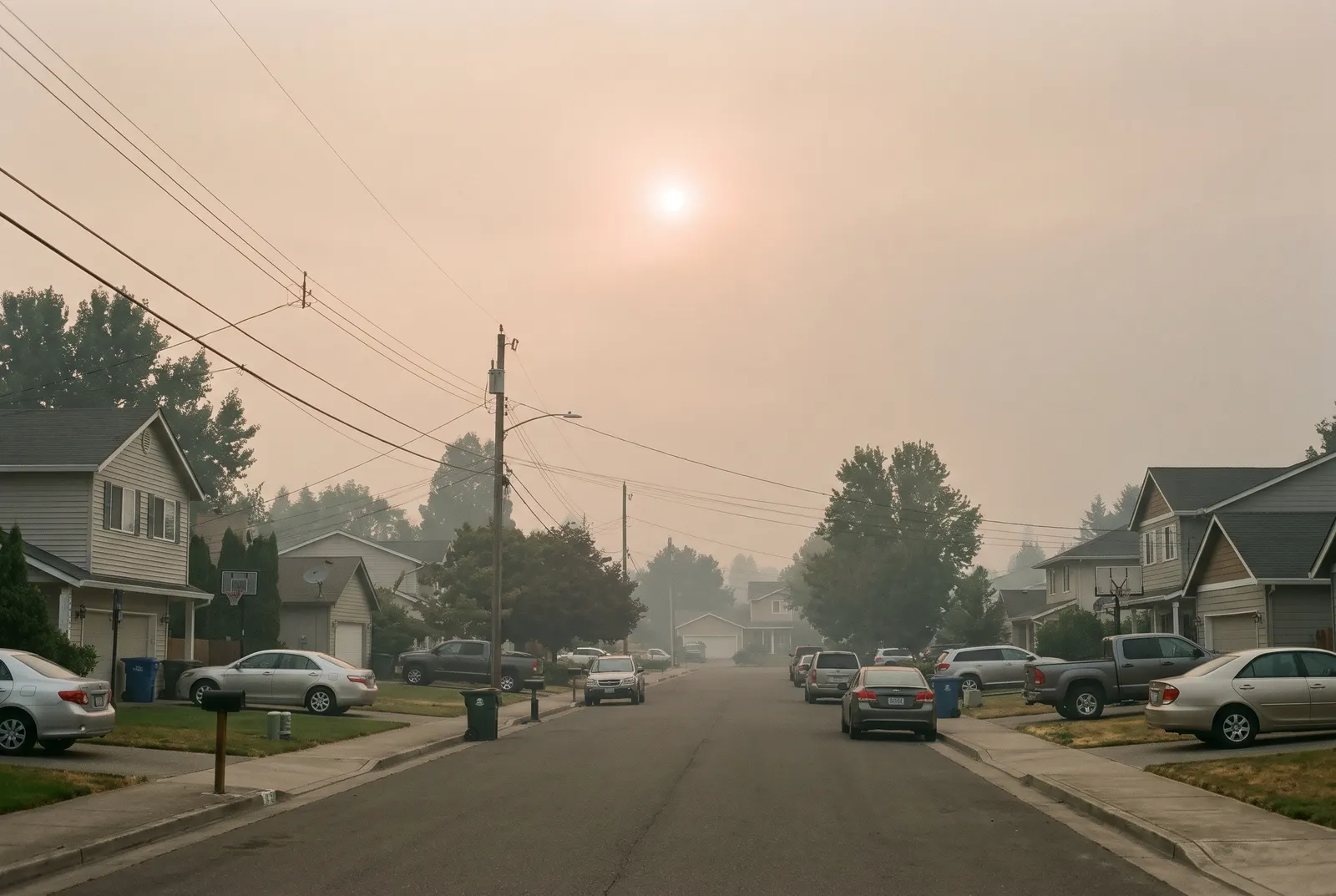
According to AirNow's guidance for smoky days, an ordinary cloth mask does not protect against wildfire smoke, but an N95 respirator can. The same page advises cutting back on outdoor exercise when the air is smoky and checking the AQI before being active outdoors.
People with heart or lung conditions should follow their own clinician's plan, including any advice about wearing a respirator.
Cleaner air indoors
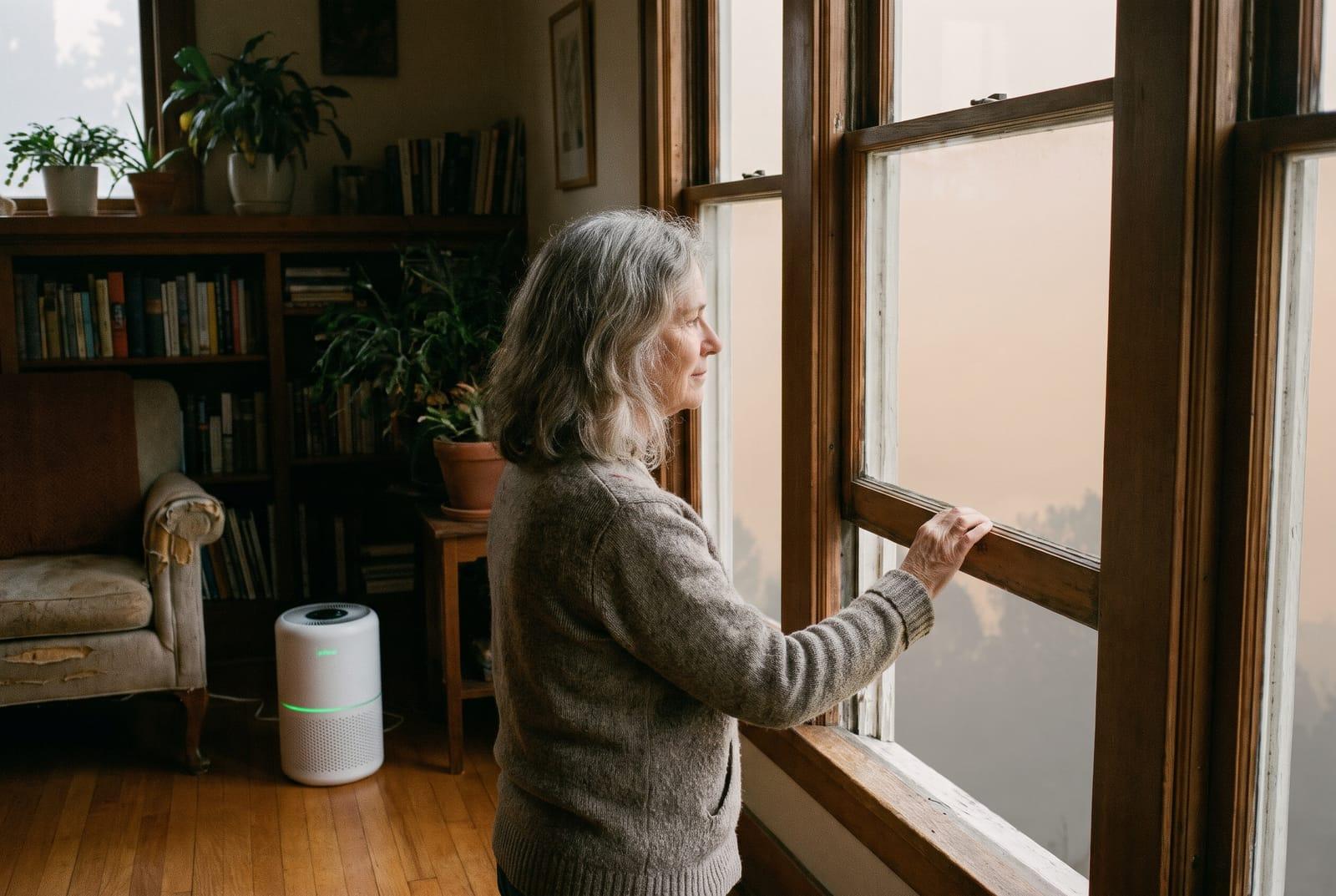
For the inside of a home, AirNow suggests running a portable air cleaner in one or more rooms continuously, with the doors and windows of those rooms closed. It recommends high-efficiency filters rated MERV-13 or higher and says to replace them frequently.
If a home's heating and cooling system has a fresh-air option, AirNow's guidance is to close the intake so smoky outdoor air is not drawn in.
Reading the index for your household
The category names carry information of their own. Unhealthy for Sensitive Groups covers 101 to 150, and the next category, Unhealthy, begins at 151. The names suggest that people can respond differently to the same air, which is why household members with breathing or heart concerns may want to act earlier than others on the same day. A clinician can say what earlier means for a particular person.
Check the number more than once. Smoke conditions can change during the day, and a morning reading may not describe the afternoon. AirNow publishes current readings by location on its site, so use the live reading rather than the static table in this report when you decide what to do.
It also helps to agree on a trigger in advance. Some households decide that they will close up and run the air cleaner whenever the reading reaches a particular category. Choosing the category ahead of time means no one has to debate it on a hazy morning.
Planning before the haze arrives
Most of the useful steps happen before a smoky day. Bookmark the AirNow page for your ZIP code, decide which room will be your cleaner-air room, and keep spare filters on hand so a replacement does not wait on a store trip.
Check on neighbors who live alone, particularly older neighbors, and keep pets indoors on smoky days. If anyone in the household has breathing difficulty, chest pain or feels faint, seek medical care rather than waiting for the air to clear.
What it means for readers
- Check the AQI before outdoor exercise on hazy days, and scale back when the air is smoky.
- If you need protection outdoors, a well-fitting N95 respirator is the option AirNow names. A cloth mask is not.
- Choose one room to keep as a cleaner-air space, with a portable air cleaner running and the doors and windows closed.
- This is general information. Follow your clinician's advice if you have a heart or lung condition.
Data and sources
Each figure in this report comes from the sources below. Every entry lists the organization, the date or period of the data, and the link. Links open in a new tab.
- AirNow AQI basicsAirNow, US Environmental Protection Agency · Current; no date shown on pagehttps://www.airnow.gov/aqi/aqi-basics/
- AirNow guidance on wildfire smoke, masks and indoor airAirNow, US Environmental Protection Agency · Current guidance; no date shown on pagehttps://www.airnow.gov/wildfires/when-smoke-is-in-the-air/
Related coverage
All reports
Air & Breathing
EPA: Fix Your Home if Radon Is 4 pCi/L or More, and Consider It Between 2 and 4
The agency estimates radon causes about 21,000 lung cancer deaths a year and lays out a step-by-step testing process.
Air & Breathing
Mold at Home: EPA Says Dry Wet Areas Within 24 to 48 Hours and Fix the Water Problem
The agency's guide stresses moisture control, humidity levels and when a cleanup is too big to handle alone.
Air & Breathing
Choosing a Portable Air Cleaner: EPA Says Size It to the Room and Avoid Ozone-Producing Models
The agency's consumer guide explains CADR ratings, filters for gases, placement and what these devices cannot do.