Flood Insurance Usually Takes 30 Days to Start, FEMA Sources Say, So the Time to Buy Is Before a Storm
Ready.gov and the National Flood Insurance Program explain the waiting period, its four exceptions and basic flood-safety steps.
On this page
Key takeaways
- The National Flood Insurance Program says coverage goes into effect 30 days after the date of purchase, with four listed exceptions.
- Ready.gov says homeowner's insurance policies do not cover flooding.
- Ready.gov says just six inches of moving water can knock you down and one foot can sweep a vehicle away.
By the numbers
30 days after the date of purchase
Standard flood insurance waiting period
As stated on FloodSmart page, date not stated
Typically up to 30 days
Ready.gov description of time for a flood policy to take effect
As stated on page last updated November 18, 2026
One day
Waiting period if buying within 12 months of a newly designated high-risk zone update
As stated on FloodSmart page, date not stated
12 months
Months after a high-risk zone update in which the one-day wait applies
As stated on FloodSmart page, date not stated
60 days
Days after wildfire containment in which the one-day wait applies (flood caused or worsened by wildfire on federal land)
As stated on FloodSmart page, date not stated
Four
Number of listed exceptions to the 30-day rule
As stated on FloodSmart page, date not stated
One year
Length of an NFIP policy before renewal
As stated on FloodSmart page, date not stated
30 days
Grace period after expiration, with claims honored if the premium is paid in full by its end
As stated on FloodSmart page, date not stated
Six inches
Depth of moving water that can knock you down
As stated on page last updated November 18, 2026
One foot
Depth of moving water that can sweep a vehicle away
As stated on page last updated November 18, 2026
9-1-1
Emergency number for a medical emergency during a flood
Page last updated November 18, 2026
The waiting period
A flood policy bought in the middle of a storm warning will not help with that storm. FloodSmart.gov, the public site of FEMA's National Flood Insurance Program (NFIP), says flood insurance coverage goes into effect 30 days after the date of purchase. Ready.gov, FEMA's preparedness site, makes the same point from the other side, saying it typically takes up to 30 days for a policy to go into effect and that the time to buy is well before a disaster.
Ready.gov also states that homeowner's insurance policies do not cover flooding, which is why it points readers to the NFIP. It says the program now offers a quick way to get a personalized quote and buy a policy online through FloodSmart.
Four exceptions FloodSmart lists
FloodSmart lists four exceptions to the 30-day rule. There is no wait if you buy flood insurance while making, increasing, extending or renewing a mortgage. There is no wait if you change your coverage while renewing your policy.
A one-day wait applies if your property is in a newly designated high-risk flood zone and you buy a policy within 12 months of the update. A one-day wait also applies if a flood is caused or worsened by a wildfire on federal land and you buy a policy within 60 days of the wildfire containment date.
The same page says an NFIP policy lasts one year before renewal, and that coverage stays in effect for 30 days after expiration, with claims honored during that grace period, as long as the renewal premium is paid in full by the end of the period.
Why flooding is worth planning for
Ready.gov describes flooding as a temporary overflow of water onto normally dry land and says floods are the most common disaster in the United States. They can result from rain, snow, coastal storms, storm surges and overflows of dams and other water systems, and can develop slowly or quickly. Flash floods can come without warning.
The site advises checking FEMA's Flood Map Service Center for local flood risk, while cautioning that flooding does not follow lines on a map. Where it rains, it can flood, the page says. The Ready.gov page was last updated on November 18, 2026.
Preparing before water rises
For household preparation, Ready.gov suggests a plan that includes pets, practiced evacuation routes and shelter plans, and supplies such as non-perishable food, cleaning supplies and water for several days. It recommends keeping documents in a waterproof container and making password-protected digital copies.
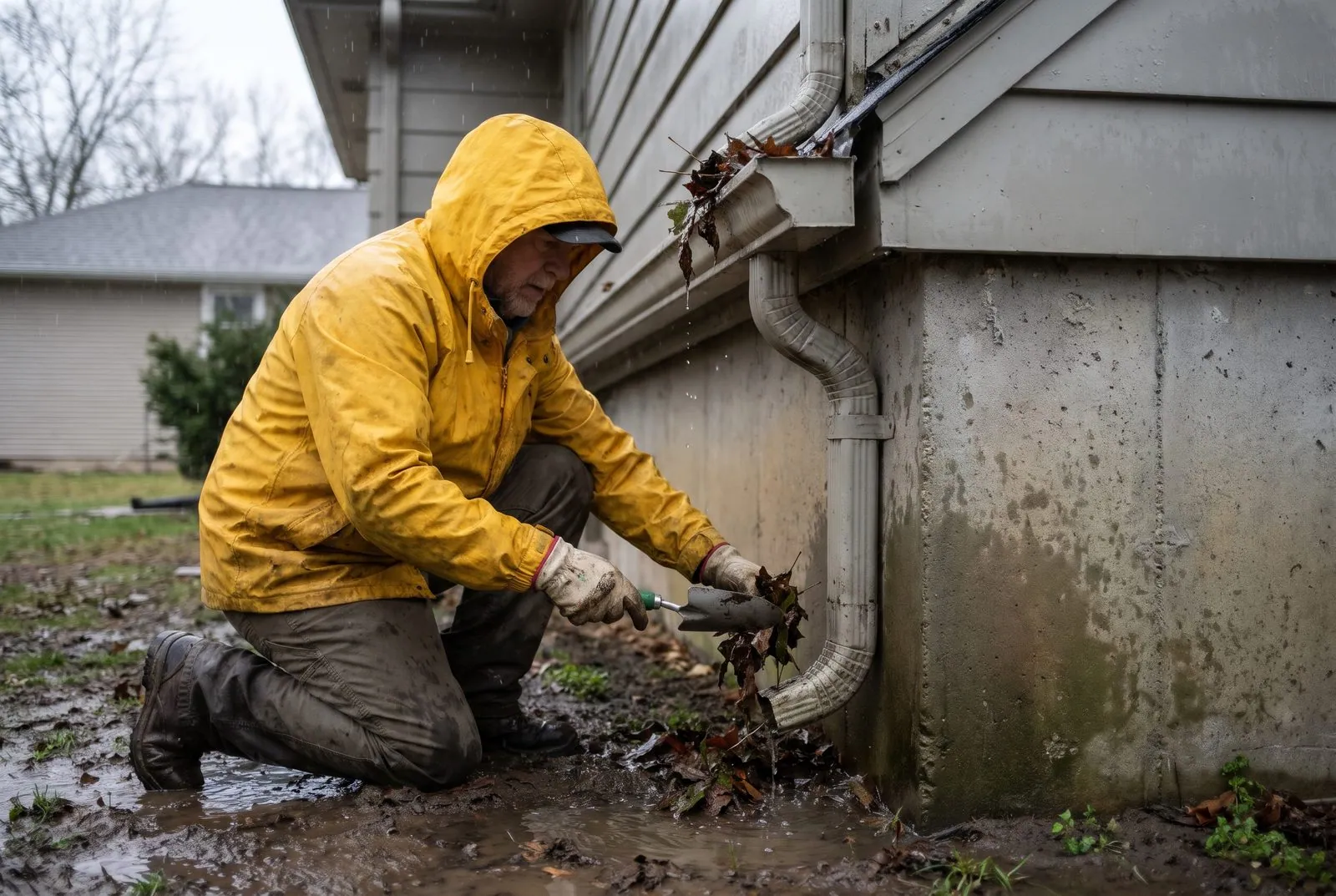
To protect property, the site advises moving valuables to higher levels, clearing drains and gutters, installing check valves and considering a sump pump with a battery. It also suggests signing up for community warnings and using the Emergency Alert System or NOAA Weather Radio.
Staying safe during and after
If told to evacuate, the page says to do so immediately and never to drive around barricades. It repeats Turn Around, Don't Drown, noting that six inches of moving water can knock a person down and one foot can sweep away a vehicle. It adds that people should stay off bridges over fast-moving water.
After a flood, Ready.gov advises returning home only when authorities say it is safe, avoiding floodwater that may be contaminated or electrically charged, being alert for animals, and using generators only outdoors and away from windows.
If you are caught by rising water
Ready.gov describes several specific situations. Anyone trapped in a car in rapidly moving water should stay inside the vehicle, and should get on the roof only if water begins rising inside the car. Anyone trapped in a building should go to the highest level and move to the roof only if necessary, signaling for help once there.
The page warns people not to climb into a closed attic, where rising floodwater could leave them trapped. It also says floods may cause outages, disrupt transportation, damage buildings and trigger landslides, and it advises people who are sick and need care during a flood to contact a healthcare provider, shelter in place if possible and call 9-1-1 in a medical emergency.
What it means for readers
- If you want flood coverage, check the 30-day waiting period and buy well before flood season or a storm.
- Do not assume homeowner's insurance covers flooding; Ready.gov says it does not.
- Ask whether one of the four listed exceptions, such as buying with a mortgage, applies to your situation.
- Keep important documents in a waterproof container and make password-protected digital copies.
- Do not walk, swim or drive through flood water.
Data and sources
Each figure in this report comes from the sources below. Every entry lists the organization, the date or period of the data, and the link. Links open in a new tab.
Related coverage
All reports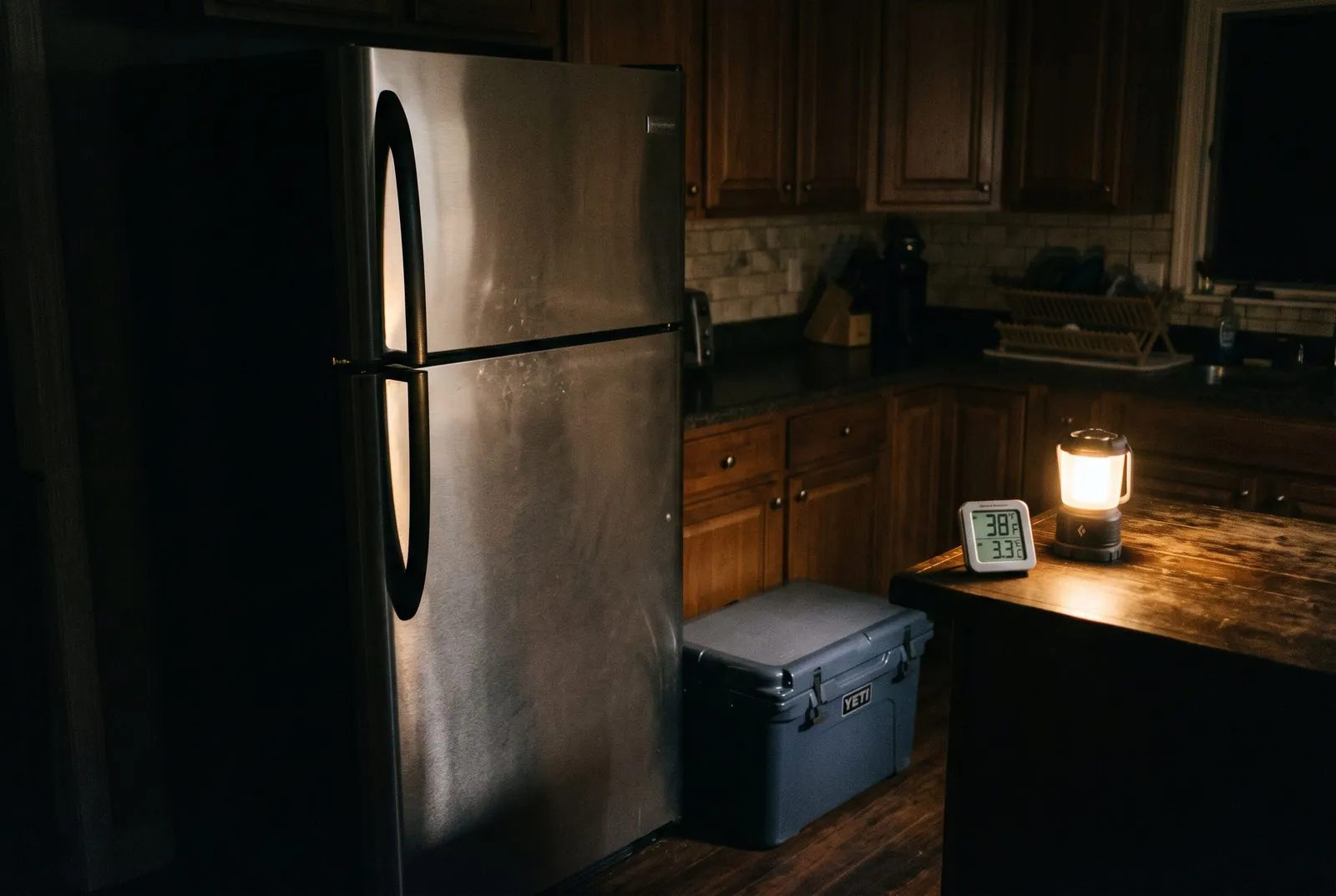
Preparedness
Power Outage: Ready.gov and FDA Say a Closed Refrigerator Keeps Food Cold About Four Hours
Federal guidance gives time limits for refrigerators and full freezers and a 40-degree line for throwing food out.
Preparedness
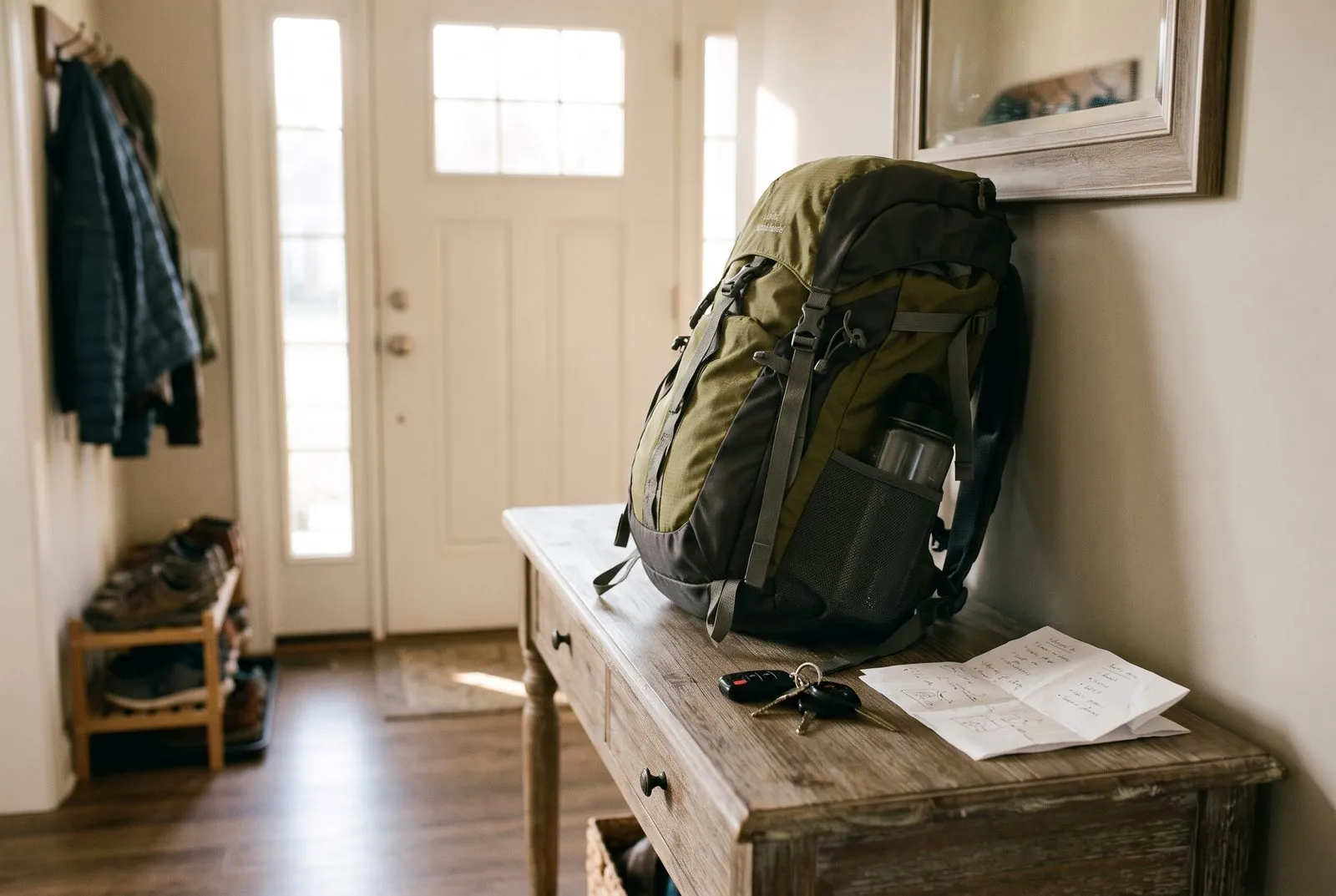
Building a Household Evacuation Plan: Ready.gov Urges Destinations in Different Directions and a Half Tank of Gas
FEMA's preparedness site walks through risks, routes, go-bags, pets and what to do before leaving the house.
Preparedness
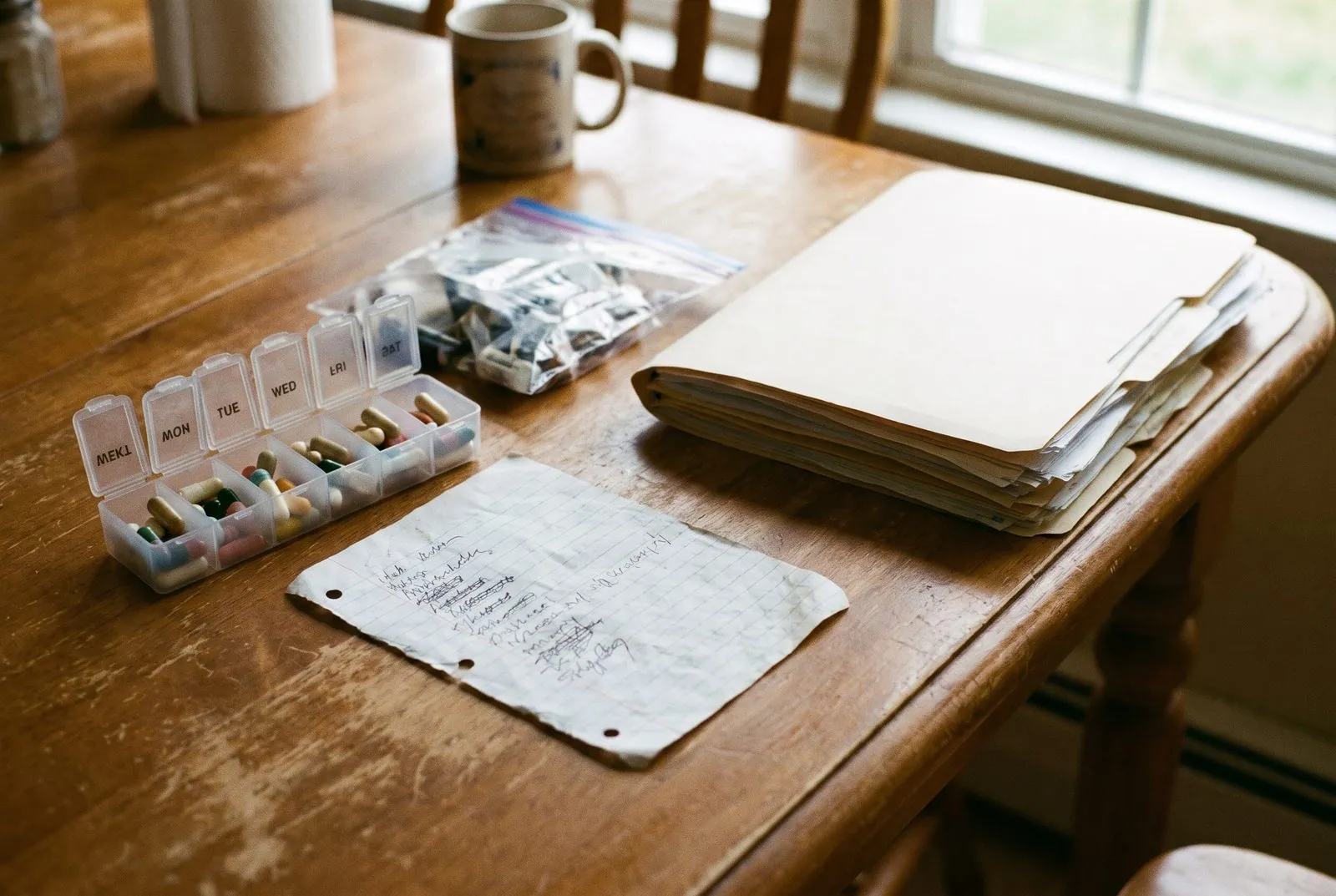
Emergency Readiness: FDA and Ready.gov Say Keep a Medicine List, Prescription Copies and Records Backed Up
Federal guidance covers which papers to gather, how to store pills and what to do if refrigerated or flooded medicines are affected.