EPA: No Safe Level of Lead Exposure; Homes Built Before 1986 More Likely to Have Lead Pipes
The Environmental Protection Agency explains where lead in tap water comes from and lists steps households can take.
On this page
Key takeaways
- EPA says the health goal for lead in drinking water is zero, based on science showing no safe level of exposure.
- EPA says lead pipes are more likely to be found in older cities and homes built before 1986.
- EPA says boiling water does not remove lead, and recommends using cold water for drinking and cooking.
By the numbers
zero
Maximum contaminant level goal for lead
EPA page last updated June 18, 2026
15 parts per billion, exceeded by more than 10 percent of samples
Lead action level
EPA page last updated June 18, 2026
built before 1986
Homes more likely to have lead pipes
EPA page last updated June 18, 2026
20 percent or more
Share of total lead exposure from drinking water, EPA estimate
EPA page last updated June 18, 2026
40 percent to 60 percent
Infants consuming mostly mixed formula, share from drinking water
EPA page last updated June 18, 2026
3.5 micrograms per deciliter
CDC action level for children's blood lead, as cited by EPA
EPA page last updated June 18, 2026
Where lead in tap water comes from
The Environmental Protection Agency says lead can enter drinking water when plumbing materials that contain lead corrode, especially where the water has high acidity or low mineral content. The most common sources are lead pipes, faucets and fixtures, and EPA says lead pipes are more likely to be found in older cities and homes built before 1986.
In homes with lead pipes connecting the house to the water main, called lead service lines, EPA says those pipes are typically the most significant source. Among homes without lead service lines, the most common problem is brass or chrome-plated brass faucets and plumbing with lead solder.
EPA's "Basic Information about Lead in Drinking Water" page was last updated on June 18, 2026.
What the numbers mean
EPA says the maximum contaminant level goal for lead is zero, because the best available science shows there is no safe level of exposure. That goal is non-enforceable and based solely on possible health risks.
Instead of a maximum limit, EPA uses a treatment technique under the Lead and Copper Rule. Water systems must collect tap samples from sites more likely to have lead plumbing. If more than 10 percent of samples exceed the lead action level of 15 parts per billion, the systems must take further steps, including educating the public about lead in drinking water and about actions consumers can take.
EPA also puts drinking water in context: it estimates that drinking water can make up 20 percent or more of a person's total exposure to lead, with other sources including paint, dust, soil, air and food. For infants who consume mostly mixed formula, EPA estimates drinking water can account for 40 percent to 60 percent of exposure.
Steps EPA lists for households
EPA lists actions a person may take separately or in combination, and says the list is not exhaustive and that not all actions reduce lead equally. It also recommends contacting the local water system and health department.
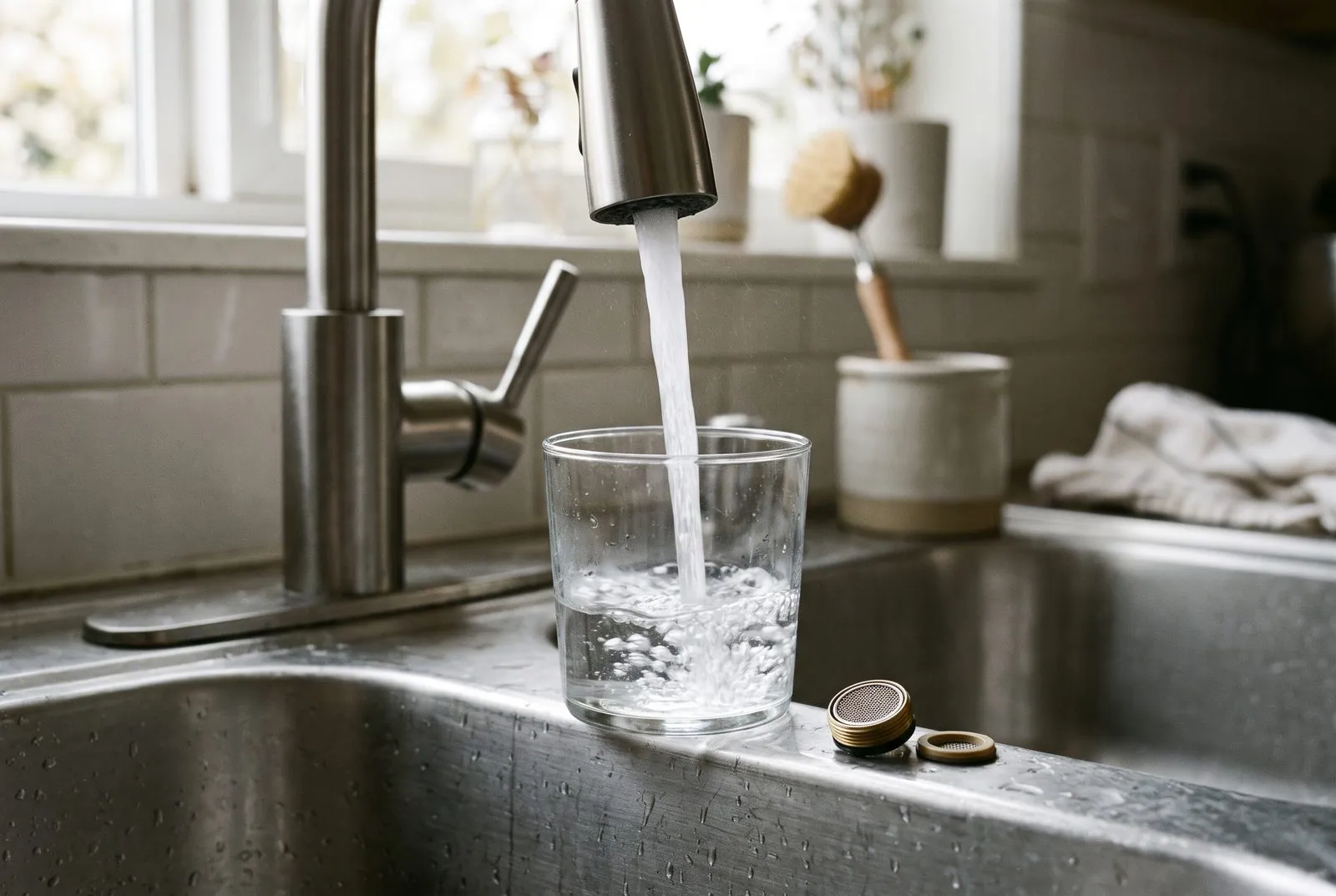
One step is to use a filter properly: if you use one, make sure it is certified to remove lead, follow the directions for installing it and replacing the cartridge, and do not run hot water through it. Another is to clean the faucet aerator, the screen where sediment, debris and lead particles can collect.
EPA also advises using only cold water for drinking, cooking and making baby formula, and notes that boiling water does not remove lead. Running the tap before drinking, or using water for a shower, laundry or dishes, can flush pipes, since water sitting longer in pipes may contain more lead. EPA says flushing time depends on the home and on any lead service line, and that residents should ask their water utility for local advice.
Finding out what your home has
EPA recommends learning whether you have a lead service line by asking your water utility or, if the utility does not have information, a licensed plumber. It points to its "Protect Your Tap" step-by-step guide for finding lead pipes in a home.
EPA also suggests contacting your water utility to have your water tested and to learn about lead levels in your drinking water. It says people with a lead service line should be aware of nearby construction, because ground tremors may release more lead.
On bathing, EPA says showering and bathing should be safe even if the water contains lead above the action level, because human skin does not absorb lead in water. This article offers general information only; anyone worried about exposure, especially for infants and children, can talk with a health care provider and their local health department.
EPA's page also points to a consumer tool for identifying point-of-use and pitcher filters certified to reduce lead in drinking water, which can help a household check a filter before relying on it. The agency further says that if a child's blood lead level is at or above the CDC action level of 3.5 micrograms per deciliter, it may be due to exposures from a combination of sources, which is why EPA recommends looking at all the ways a child can be exposed.
What it means for readers
- Ask your water utility whether your home has a lead service line, and consider asking it to test your water.
- If homes in your area were built before 1986, the plumbing is worth a question to the utility.
- Use cold water for drinking, cooking and baby formula; EPA says boiling does not remove lead.
- If you use a filter, choose one certified to remove lead and replace the cartridge on schedule.
Data and sources
Each figure in this report comes from the sources below. Every entry lists the organization, the date or period of the data, and the link. Links open in a new tab.
Related coverage
All reports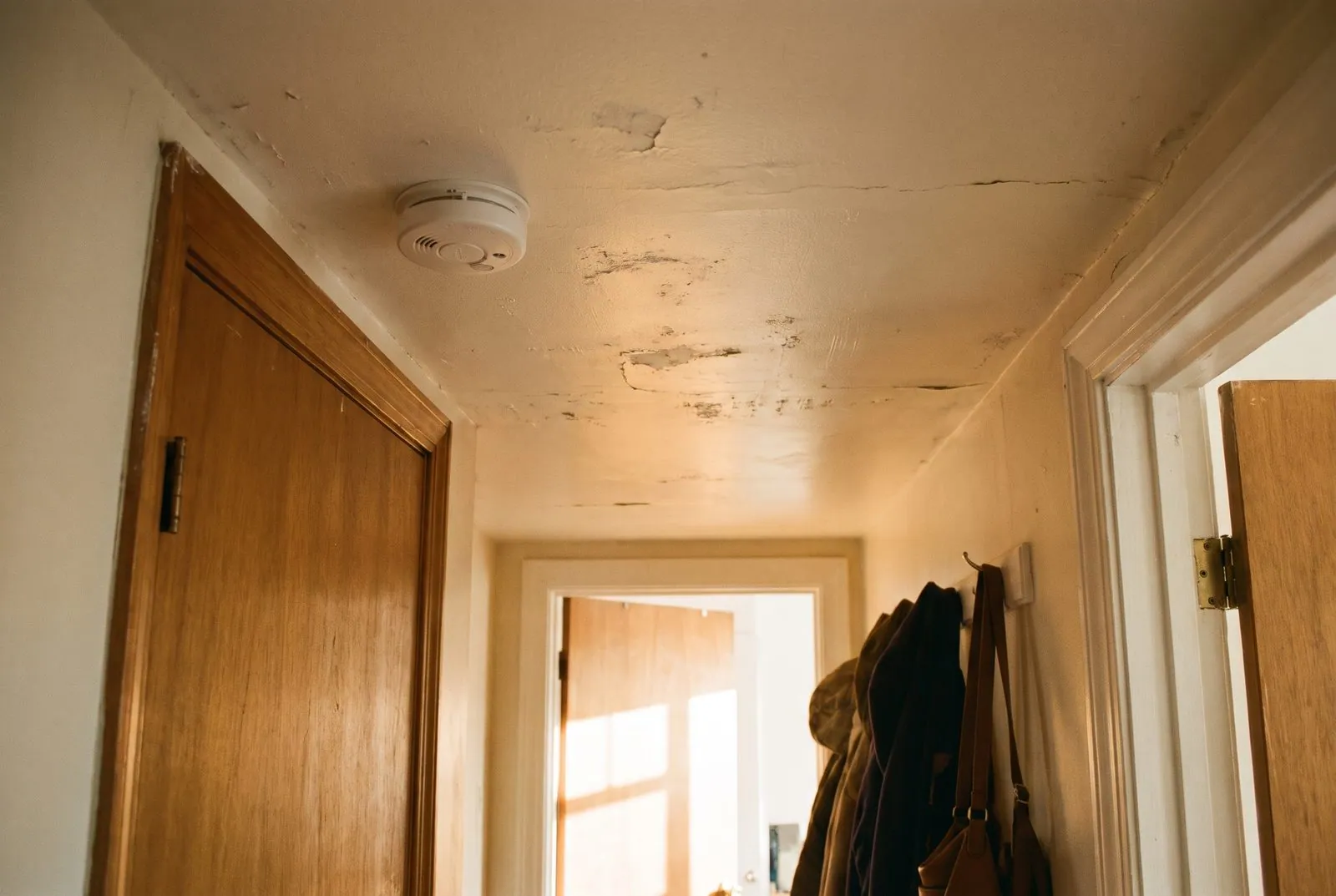
Food & Home
USFA: Test Smoke Alarms Monthly and Replace Them Every 10 Years From the Manufacture Date
The U.S. Fire Administration says alarms belong in every bedroom, outside sleeping areas and on every level, and that age matters.
Food & Home
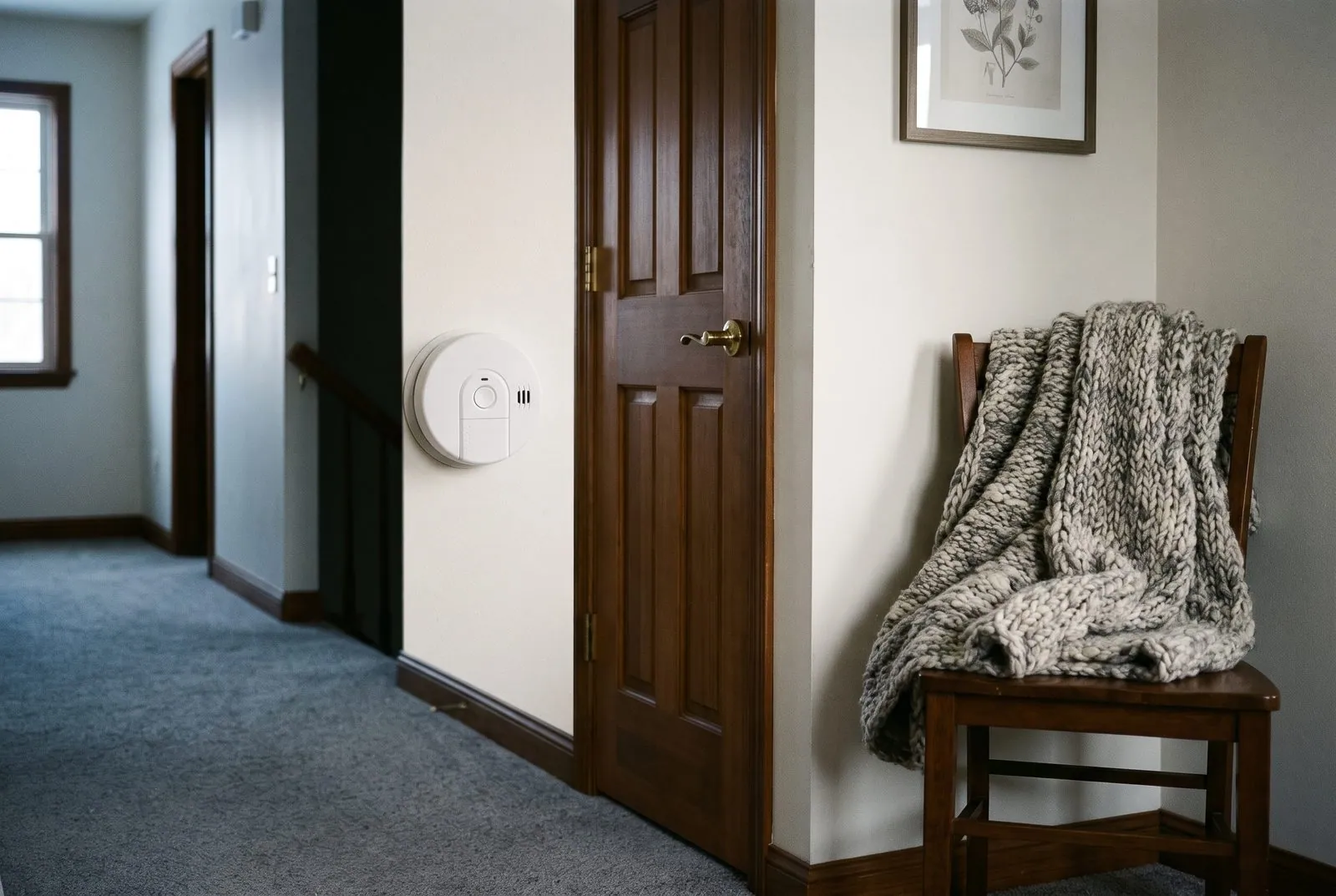
CDC: More Than 400 Americans Die Each Year From Non-Fire Carbon Monoxide Poisoning
CDC and the Consumer Product Safety Commission outline where to put alarms, how often to replace them and how to heat safely.
Food & Home
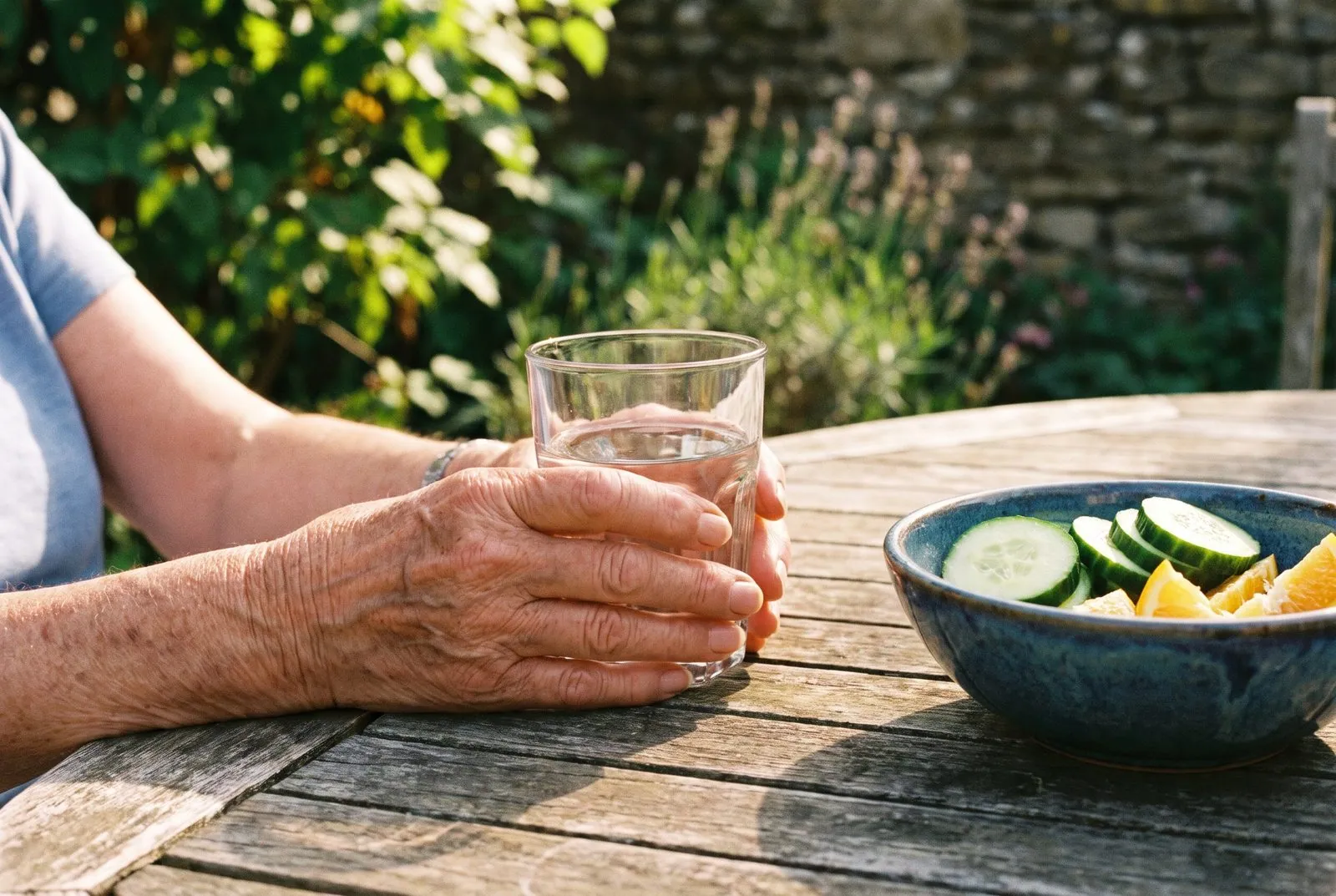
CDC: Water Needs Vary by Age, Activity and Health; NIA Tells Older Adults to Drink Throughout the Day
Federal pages give no single number for everyone, but they describe when needs rise and what counts toward fluid intake.