USFA: Test Smoke Alarms Monthly and Replace Them Every 10 Years From the Manufacture Date
The U.S. Fire Administration says alarms belong in every bedroom, outside sleeping areas and on every level, and that age matters.
On this page
Key takeaways
- The U.S. Fire Administration says smoke alarms should be replaced 10 years from the manufacture date.
- USFA advises testing smoke alarms every month and replacing 9-volt batteries at least once every year.
- Alarms should go inside and outside each bedroom and sleeping area and on every level of the home, including the basement.
By the numbers
every 10 years, counted from the manufacture date
Replace smoke alarms
USFA page last reviewed Oct. 13, 2026
every month
Testing frequency
USFA page last reviewed Oct. 13, 2026
at least once every year
9-volt battery replacement, and hardwired backup battery
USFA page last reviewed Oct. 13, 2026
nonreplaceable 10-year battery
Lithium-ion long-life battery type
USFA page last reviewed Oct. 13, 2026
you may have less than 2 minutes
Time to get outside when an alarm sounds
USFA page last reviewed Oct. 13, 2026
Where alarms belong
The U.S. Fire Administration (USFA), part of FEMA, says installing smoke alarms in every bedroom, outside each separate sleeping area and on every level of a home, including the basement, is a fire safety precaution for homeowners and landlords. Its "Smoke Alarms" page was last reviewed Oct. 13, 2026.
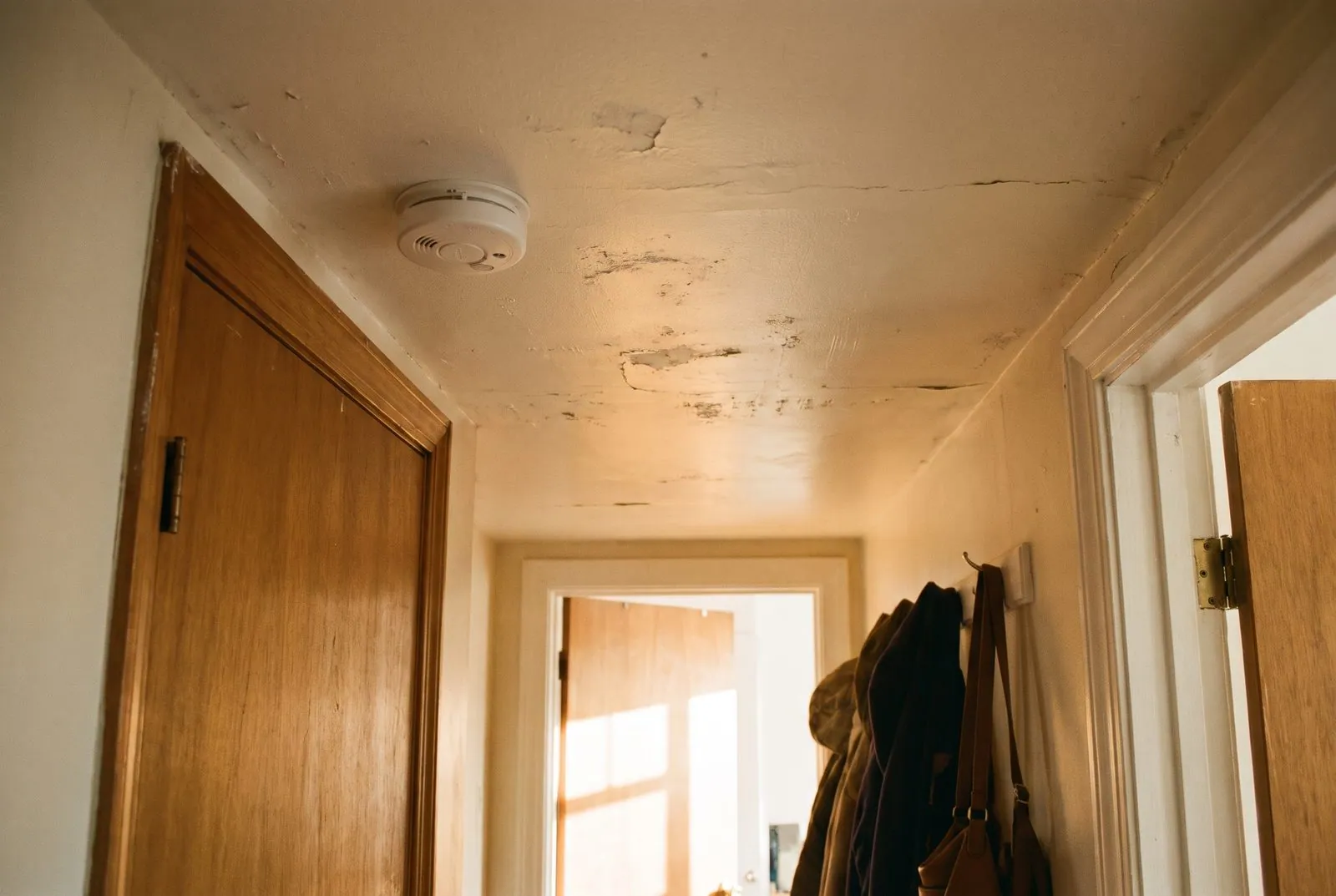
In its answer on placement, USFA says to put alarms inside and outside each bedroom and sleeping area, noting that a closed door may slow the spread of smoke, heat and fire. It also says to put alarms on the ceiling or high on the wall and to check the manufacturer's instructions for the best place for a particular alarm.
USFA recommends interconnected alarms so that when one sounds, they all sound. The page adds that only qualified electricians should install hardwired smoke alarms, and that some fire departments will install battery-operated smoke alarms at no cost, which readers can ask about through the local fire department's nonemergency number.
USFA also notes that some fire departments offer reduced-price or even free smoke alarms, and that a city, county or state may require a specific type of alarm. Contacting the local fire department's nonemergency number or the local fire marshal is the route the agency suggests for both questions.
Testing and batteries
USFA's maintenance advice depends on how the alarm is powered. Smoke alarms run on either a disposable 9-volt battery or a nonreplaceable 10-year lithium-ion battery, or are hardwired into the home's electrical system and usually have a backup battery.
For all three types, the page says to test the alarm monthly. For a 9-volt alarm and for a hardwired alarm, it says to replace the batteries (or the backup battery) at least once every year.
The agency states plainly why this matters: a smoke alarm with a dead or missing battery is the same as having no smoke alarm at all, and an alarm works only when it is properly installed and regularly tested. USFA says to take care of alarms according to the manufacturer's instructions.
USFA says alarms that get power from the home's electrical system, often called hardwired alarms, usually have a backup battery, so the monthly test and the yearly battery change still apply even when the alarm is wired in.
Age matters
USFA's page highlights a point that many households overlook: age matters when it comes to smoke alarms, which need to be replaced 10 years from the manufacture date. A "messages to share" section repeats that smoke alarms do not last forever and says to get new smoke alarms every 10 years.
The replacement advice varies slightly by type. For a 9-volt alarm and a hardwired alarm, the page says to replace the entire alarm every 10 years. For an alarm with a 10-year lithium-ion battery, it says to replace the entire alarm according to the manufacturer's instructions.
The page does not say where to find the manufacture date on a particular model, and this article does not add that detail. The manufacturer's instructions are USFA's stated reference point.
Nuisance alarms and why speed matters
A common reason people disable alarms is cooking smoke or shower steam. USFA says never to take the battery out of a smoke alarm while cooking. Instead, open a window or door and press the hush button, wave a towel at the alarm to clear the air, or move the entire alarm several feet away from the kitchen or bathroom. It warns that disabling an alarm or removing the battery can be a deadly mistake.
USFA also says that when you hear a smoke alarm, you may have less than 2 minutes to get everyone outside and safe. It says to make sure alarms work because a family is not safe if they cannot hear them.
The same page notes that alarms that flash and vibrate are available for people who cannot hear standard smoke alarms. Readers with questions about a specific type of alarm, or local requirements, can check with their local fire marshal, which USFA says can tell residents what kind of alarm their city, county or state requires.
What it means for readers
- Count the alarms: inside and outside each bedroom and sleeping area, and on every level including the basement.
- Test every alarm monthly, and replace 9-volt or backup batteries at least once a year.
- Find the manufacture date and replace the whole alarm 10 years after it, or follow the manufacturer's instructions for a 10-year lithium-ion model.
- If cooking sets off an alarm, hush it or move it rather than removing the battery.
Data and sources
Each figure in this report comes from the sources below. Every entry lists the organization, the date or period of the data, and the link. Links open in a new tab.
Related coverage
All reports
Food & Home
CDC: More Than 400 Americans Die Each Year From Non-Fire Carbon Monoxide Poisoning
CDC and the Consumer Product Safety Commission outline where to put alarms, how often to replace them and how to heat safely.

Food & Home
CDC: Water Needs Vary by Age, Activity and Health; NIA Tells Older Adults to Drink Throughout the Day
Federal pages give no single number for everyone, but they describe when needs rise and what counts toward fluid intake.

Food & Home Food labels
The updated Nutrition Facts label, explained: added sugars, serving sizes and the 5% and 20% rules
FDA's revised label adds a line for added sugars, enlarges calories and servings, and changes some serving sizes.