CDC: Americans Average More Than 3,300 mg of Sodium a Day Against a Federal Mark of Under 2,300 mg
Most of the sodium in the U.S. diet comes from processed and restaurant foods, not the salt shaker, according to CDC and FDA.

On this page
Key takeaways
- CDC says Americans consume more than 3,300 mg of sodium a day on average, against a federal recommendation of less than 2,300 mg for teens and adults.
- The FDA says over 70% of dietary sodium comes from packaged and prepared foods rather than table salt.
- On the Nutrition Facts label, 5% Daily Value or less per serving counts as low sodium and 20% or more counts as high.
By the numbers
more than 3,300 mg per day
Average U.S. sodium intake
CDC page dated June 29, 2026
less than 2,300 mg per day
Federal sodium recommendation, teens and adults
CDC page dated June 29, 2026
about 2,400 mg
Sodium in 1 teaspoon of table salt
CDC page dated June 29, 2026
40% sodium, 60% chloride
Share of sodium in table salt (sodium chloride)
CDC page dated June 29, 2026
NHANES unpublished data
Top-source survey data
2021-2023
over 70%
Share of dietary sodium from packaged and prepared foods
FDA page current as of 03/05/2024
5% DV or less is low; 20% DV or more is high
Label rule for low and high sodium
FDA page current as of 03/05/2024
Sodium-free less than 5 mg; very low 35 mg or less; low 140 mg or less; reduced at least 25% less
Label claim thresholds
FDA page current as of 03/05/2024
2,300 mg; 1,500 mg lowers blood pressure even further
DASH sodium level and lower level
NHLBI page last updated February 25, 2026
adults aged 18 and older
Age group for CDC top-source list
CDC page dated June 29, 2026
The numbers behind the headline
The Centers for Disease Control and Prevention says Americans consume more than 3,300 milligrams of sodium per day, on average. On its "About Sodium and Health" page, which carried a June 29, 2026 date, the agency says that is well above the federal recommendation of less than 2,300 mg of sodium daily for teens and adults as part of a healthy eating pattern.
The Food and Drug Administration uses the same number as the sodium Daily Value on the Nutrition Facts label: less than 2,300 mg per day. Its "Sodium in Your Diet" page was marked current as of 03/05/2024.
CDC explains why the amount matters, saying eating too much sodium can increase blood pressure and the risk for heart disease and stroke. The agency also notes that the body needs a small amount of sodium to work properly.
Where it hides
A common assumption is that the salt shaker is the main source. The FDA says otherwise: most dietary sodium, over 70%, comes from eating packaged and prepared foods, not from table salt added during cooking or at the table.
CDC's page lists the top sources for adults aged 18 and older, drawn from National Health and Nutrition Examination Survey data for 2021 to 2023. They include deli meat sandwiches, soups, pizza, poultry, savory snacks such as chips, crackers and popcorn, pasta mixed dishes, breads, rolls and buns, cheese, meat mixed dishes and vegetables other than white potatoes. CDC adds that packaged or processed soups, vegetables and poultry often contain sodium, and suggests looking for no- to low-sodium options.
The FDA makes a related point: foods that do not taste salty can still be high in sodium. It cites cereals and pastries as examples, and says foods eaten several times a day, such as bread, can add up even when a single serving is not high.
The FDA says sodium content can vary significantly between similar types of foods, which is why it encourages comparing products with the Nutrition Facts label. For meals eaten out, the agency suggests asking for a meal prepared without table salt and requesting that sauces and salad dressings be served on the side, then using less of them. It says it is also working with the food industry on reasonable reductions in sodium across a wide variety of foods.
Salt versus sodium, and the label shortcuts
The two words are not interchangeable. CDC says salt is sodium chloride, which is 40% sodium and 60% chloride, and that one teaspoon of table salt contains about 2,400 mg of sodium. Sodium also appears in ingredients such as monosodium glutamate, baking soda and sodium nitrate, the agency notes.
The Nutrition Facts label provides two quick rules. The FDA says a food with 5% Daily Value or less of sodium per serving is considered low, and 20% Daily Value or more is considered high. It also reminds shoppers to check the serving size and the number of servings consumed.
Package claims have fixed meanings as well. According to the FDA, "low sodium" means 140 mg of sodium or less per serving, "very low sodium" means 35 mg or less, and "salt/sodium-free" means less than 5 mg per serving. "Reduced sodium" means at least 25% less sodium than the regular product.
A lower target within the DASH plan
The National Heart, Lung, and Blood Institute describes the DASH eating plan with a sodium goal of 2,300 mg a day in its standard version. A note on the page says that 1,500 mg of sodium lowers blood pressure even further than 2,300 mg daily. The NHLBI page was last updated February 25, 2026.
That 1,500 mg figure is a statement about the DASH plan, not a general limit for everyone, and the pages reviewed here do not say who should aim for it. Readers who have high blood pressure or other conditions should ask their own clinician what target fits them.
The National Institute on Aging's healthy meal planning page, reviewed November 23, 2021, offers one practical idea for older adults: season foods with herbs and citrus such as lemon juice to reduce sodium intake.
What it means for readers
- Read the sodium line and the serving size on the Nutrition Facts label; 5% Daily Value or less is low and 20% or more is high.
- Look at prepared and restaurant foods first, since the FDA says over 70% of sodium comes from packaged and prepared foods.
- Do not judge by taste: the FDA notes that cereals, pastries and bread can contribute sodium.
- Ask your clinician whether the 2,300 mg figure or the lower 1,500 mg DASH figure fits your situation.
Data and sources
Each figure in this report comes from the sources below. Every entry lists the organization, the date or period of the data, and the link. Links open in a new tab.
- About Sodium and Health | Salt | CDCCenters for Disease Control and Prevention · Page date: June 29, 2026https://www.cdc.gov/salt/about/index.html
- Sodium in Your Diet | FDAU.S. Food and Drug Administration · Content current as of 03/05/2024https://www.fda.gov/food/nutrition-education-resources-materials/sodium-your-diet
- DASH - DASH Eating Plan | NHLBI, NIHNHLBI, NIH · Last updated February 25, 2026https://www.nhlbi.nih.gov/education/dash-eating-plan
- Healthy Meal Planning: Tips for Older Adults | National Institute on AgingNational Institute on Aging, NIH · Content reviewed: November 23, 2021https://www.nia.nih.gov/health/healthy-eating-nutrition-and-diet/healthy-meal-planning-tips-older-adults
Related coverage
All reports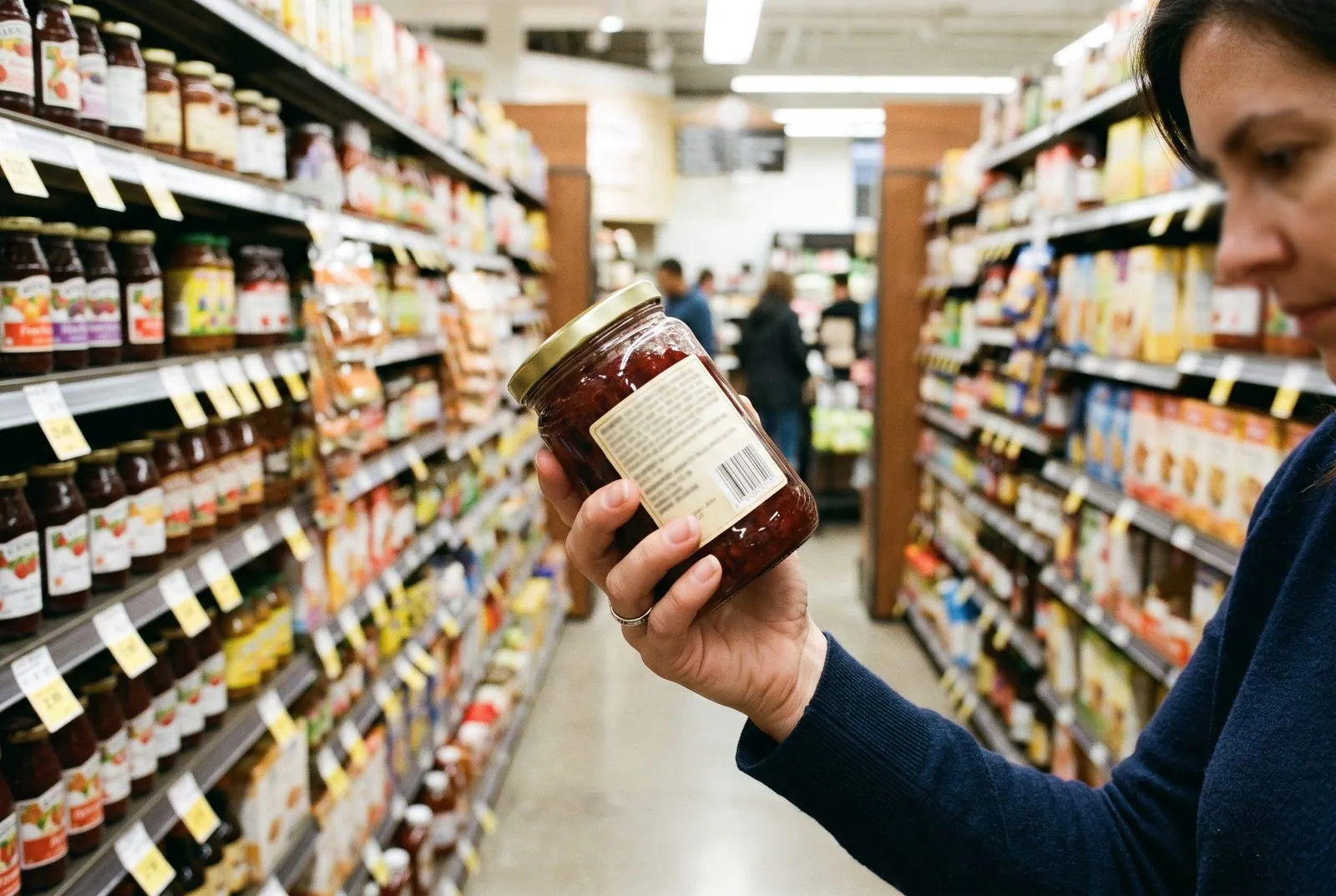
Food & Home
CDC Page: U.S. Adults Averaged 17 Teaspoons of Added Sugars a Day in 2017-2018
CDC and the FDA describe what counts as added sugar, the label's 50-gram reference value and the guideline limit CDC cites.
Food & Home
USDA: Leftovers Can Stay in the Refrigerator 3 to 4 Days, but Must Be Chilled Within 2 Hours
The Food Safety and Inspection Service lays out cooling, storage and reheating rules, and its chart gives shorter limits for some foods.

Food & Home
USDA Chart: 165 Degrees F for Poultry and Leftovers, 145 Degrees F for Steaks and Fish
The Food Safety and Inspection Service's minimum internal temperature chart, updated April 14, 2025, ties each food to a number and a thermometer.