Hurricane Preparation: Ready.gov Names Storm Surge as the Historic Leading Cause of Deaths
With the Atlantic season running through November 30, the federal guidance covers evacuation zones, supplies and flood-water dangers.

On this page
Key takeaways
- Ready.gov says storm surge has historically been the leading cause of hurricane-related deaths in the United States.
- The Atlantic hurricane season runs June 1 to November 30, according to Ready.gov.
- Just six inches of fast-moving water can knock a person down and one foot of moving water can sweep a vehicle away, Ready.gov says.
By the numbers
June 1 to November 30
Atlantic hurricane season
As stated on page last updated October 16, 2026
May 15 to November 30
Eastern Pacific hurricane season
As stated on page last updated October 16, 2026
June 1 to November 30
Central Pacific typhoon season
As stated on page last updated October 16, 2026
Up to five
Locations a FEMA app user can receive National Weather Service alerts for
As stated on page last updated October 16, 2026
Six inches
Depth of fast-moving water that can knock a person down
As stated on page last updated October 16, 2026
One foot
Depth of moving water that can sweep a vehicle away
As stated on page last updated October 16, 2026
Why the guidance matters inland too
Ready.gov, FEMA's public preparedness site, describes hurricanes as dangerous storms that can cause major damage from storm surge, wind, rip currents and flooding. They can strike any U.S. coast or territory in the Atlantic or Pacific. The page says that historically, storm surge is the leading cause of hurricane-related deaths in the United States.
The site states the Atlantic season runs June 1 to November 30, the Eastern Pacific season May 15 to November 30, and the Central Pacific typhoon season June 1 to November 30. It also stresses that hurricanes are not only a coastal problem: rain, wind, water and even tornadoes can reach far inland. The page was last updated on October 16, 2026.
Know your zone and your alerts
Ready.gov advises people to learn whether they live in an evacuation zone, to learn their evacuation routes, to practice them with household members and pets, and to decide where they would stay. It says to follow instructions from local emergency managers, and that anyone in a mandatory zone who is told to leave should do so immediately.
On alerts, the site recommends having several ways to receive them. It points to the FEMA app, which can deliver National Weather Service alerts for up to five locations, community alert sign-ups, and the Emergency Alert System and Wireless Emergency Alerts, which need no sign-up.
Home, documents, phones and supplies
For the house, the page suggests clearing drains and gutters, bringing in outdoor furniture and considering hurricane shutters. It advises keeping insurance policies and personal documents such as ID up to date, with copies stored in a secure, password-protected digital space.
It recommends keeping phones charged when a hurricane is forecast and buying backup chargers. Supplies should cover the household, including medication, disinfectant supplies and pet supplies, in a go bag or car trunk, since the site says access to such items may be lost for days or even weeks. It also encourages checking on neighbors and older adults who may need help.
During the storm
Ready.gov says to take refuge in a designated storm shelter or an interior room for high winds. If trapped by flooding, go to the highest level of the building, and do not climb into a closed attic, where rising water could trap you.
The site repeats the Turn Around, Don't Drown message: do not walk, swim or drive through flood waters. It says six inches of fast-moving water can knock a person down, and one foot of moving water can sweep a vehicle away.
After the storm
Ready.gov advises following local officials' instructions and being careful during cleanup, with protective clothing and appropriate face coverings or masks for mold or debris. It says people with asthma and other lung conditions or suppressed immune systems should not enter buildings with indoor water leaks or visible or smelly mold, and that children should not help with disaster cleanup.
The page warns against wading in flood water, which can carry pathogens, debris, chemicals and waste, and may be electrically charged by downed lines. It suggests texting rather than calling, since phone systems are often busy, and photographing property damage before contacting an insurer.
Neighbors, disabilities and electrical hazards
Ready.gov asks households to consider whether anyone, including a person with a disability, may need extra help in an emergency, and to make sure everyone understands the household's hurricane plans. It encourages checking with neighbors, including senior adults, who may need help securing their own plans.
In the cleanup phase, the page says not to touch electrical equipment if it is wet or if you are standing in water, and, if it is safe to do so, to turn off electricity at the main breaker or fuse box to prevent shock. It also advises wearing protective clothing and working with someone else.
Finally, the site notes that in parts of the western North Pacific, hurricanes are called typhoons, and it lists additional resources including storm surge hazard maps and the National Flood Insurance Program for readers who want to look up their own vulnerability.
What it means for readers
- Find out whether your address is in an evacuation zone and learn the routes before a storm is forecast.
- Set up more than one way to get alerts, such as the FEMA app and local community alerts.
- Keep copies of insurance policies and ID in a password-protected digital space.
- Plan for supplies, including medication and pet needs, that could be unavailable for days or weeks.
- Do not walk, swim or drive through flood water; six inches of moving water can knock you down.
Data and sources
Each figure in this report comes from the sources below. Every entry lists the organization, the date or period of the data, and the link. Links open in a new tab.
Related coverage
All reports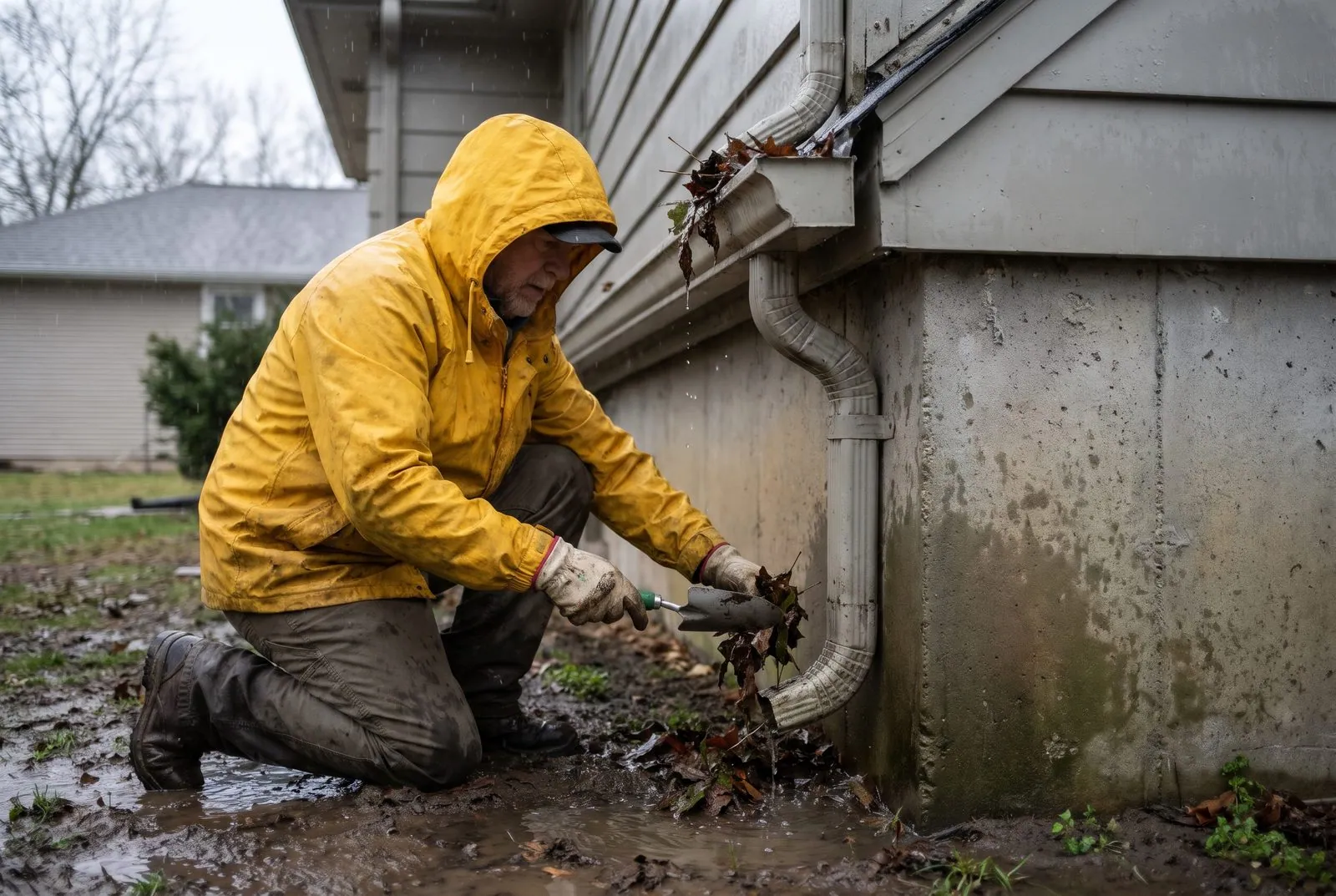
Preparedness
Flood Insurance Usually Takes 30 Days to Start, FEMA Sources Say, So the Time to Buy Is Before a Storm
Ready.gov and the National Flood Insurance Program explain the waiting period, its four exceptions and basic flood-safety steps.
Preparedness
Power Outage: Ready.gov and FDA Say a Closed Refrigerator Keeps Food Cold About Four Hours
Federal guidance gives time limits for refrigerators and full freezers and a 40-degree line for throwing food out.
Preparedness
Building a Household Evacuation Plan: Ready.gov Urges Destinations in Different Directions and a Half Tank of Gas
FEMA's preparedness site walks through risks, routes, go-bags, pets and what to do before leaving the house.